How Much Developer Do I Mix With Hair Dye? Ratios That Work

The amount of developer to mix with hair dye is usually equal parts, a 1:1 ratio, or twice as much developer, a 1:2 ratio. The correct formula belongs to the specific color line, so check the manufacturer’s instructions before measuring. For example, 60 g of dye requires 60 g of developer at 1:1, or 120 […]
How to Dye Hair Red With Kool Aid Safely

To dye hair red with Kool-Aid, mix unsweetened red drink powder with water for a dip dye or with conditioner for a paste, then apply it to clean hair and rinse with cool water. The result is a temporary stain, strongest on light or porous hair, while dark hair usually receives only a subtle red […]
How to Disinfect Hair Brushes After Lice Safely
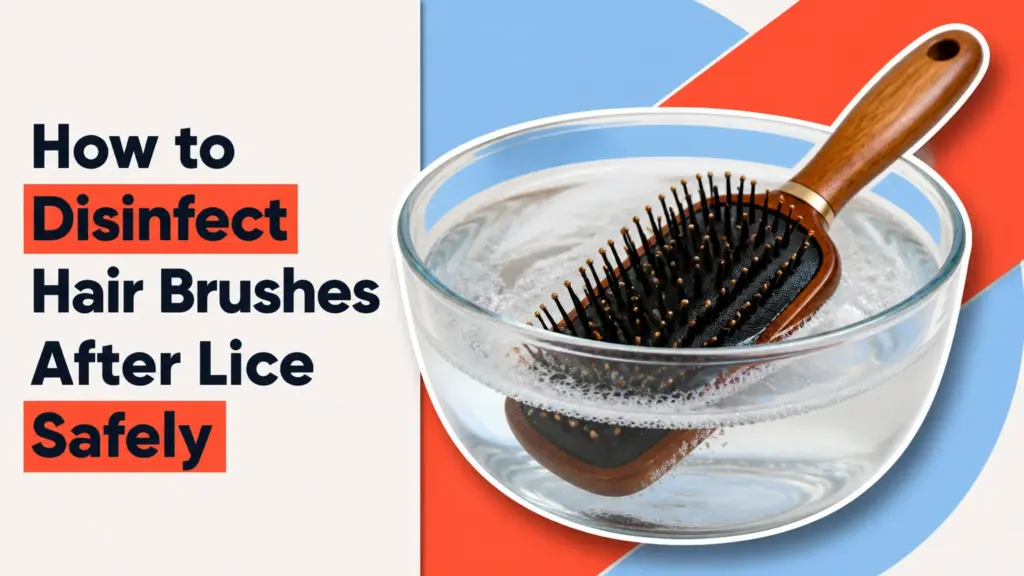
To disinfect hair brushes after lice, remove all hair, wash the tool with soap and water, then fully submerge it in water heated to at least 130°F (54°C) for 5-10 minutes when the material allows. For wooden, electric, glued, or water-sensitive tools, seal the item in a plastic bag for 14 days instead of soaking […]
How to Tell If Your Hair Is Low Porosity: 5 Signs

Low-porosity hair absorbs water and conditioning products slowly because its cuticle offers relatively little accessible space for moisture to enter. The most dependable home diagnosis combines clean-hair wetting behavior, product response, and drying patterns across several washes, rather than relying on a single strand floating in water. Key Facts at a Glance Low-porosity hair usually […]
How Do I Wash My Hair Without Shampoo? Safe Steps

You can wash your hair without shampoo by using warm water and scalp massage, a cleansing conditioner, or a mild non-shampoo cleanser. The safest choice depends on oil level, hair texture, styling products, scalp conditions, and water hardness. Water-only washing works best for lightly soiled hair, while co-washing better suits dry, curly, or coily hair. […]
How to Use Biotin Hair Oil Safely and Effectively
Biotin hair oil is applied as a small pre-shampoo treatment to the scalp, mid-lengths, and ends, then washed out after 15-60 minutes. Use 2-8 total drops at first, massage gently for up to five minutes, and choose the carrier oil according to hair thickness, scalp oiliness, and sensitivity. Key Facts Topical biotin has limited evidence […]
How to Wash Your Hair in the Sink Without a Mess

Washing your hair in the sink means wetting, shampooing, conditioning, and rinsing the hair over a bathroom or kitchen basin instead of under a shower. The safest home method takes about 5-15 minutes, uses lukewarm water, and works best when the sink supports your neck or lets you sit upright. Key facts at a glance […]
How to Use Dr. Groot Hair Thickening Serum
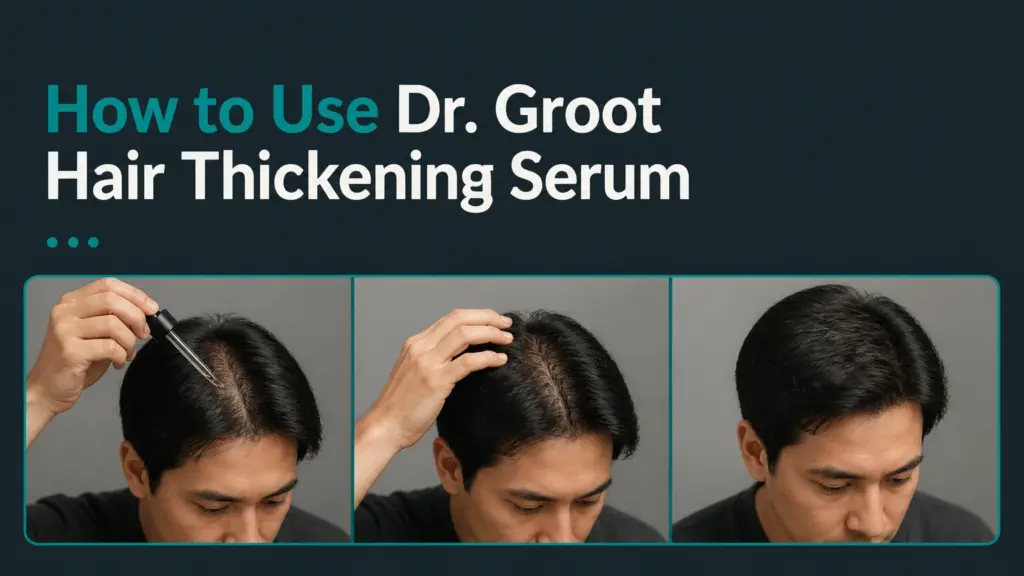
Dr. Groot Hair Thickening Serum is applied directly to the scalp, not along the hair lengths: unlock the roller, prime it, dispense a small amount, roll over thinning areas, massage briefly, and lock the applicator. The leave-in serum works on damp or dry hair, but a clean, mostly dry scalp gives the most controlled application. […]
How to Use Hair Mask and Conditioner: Safely and Effectively
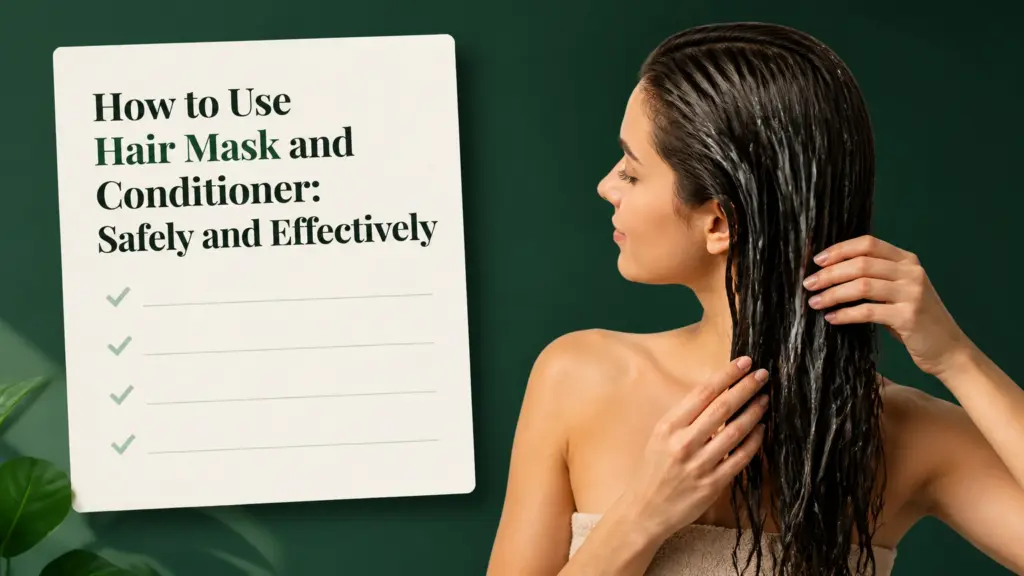
To use a hair mask and conditioner, shampoo first, squeeze out excess water, apply the mask to mid-lengths and ends, rinse after the label’s stated time, then apply rinse-out conditioner and rinse again. Use conditioner after most washes and a mask about once weekly, adjusting frequency for hair texture, porosity, oiliness, and chemical damage. Key […]
How to Grow Low Porosity Hair: A 6-Step Retention Routine
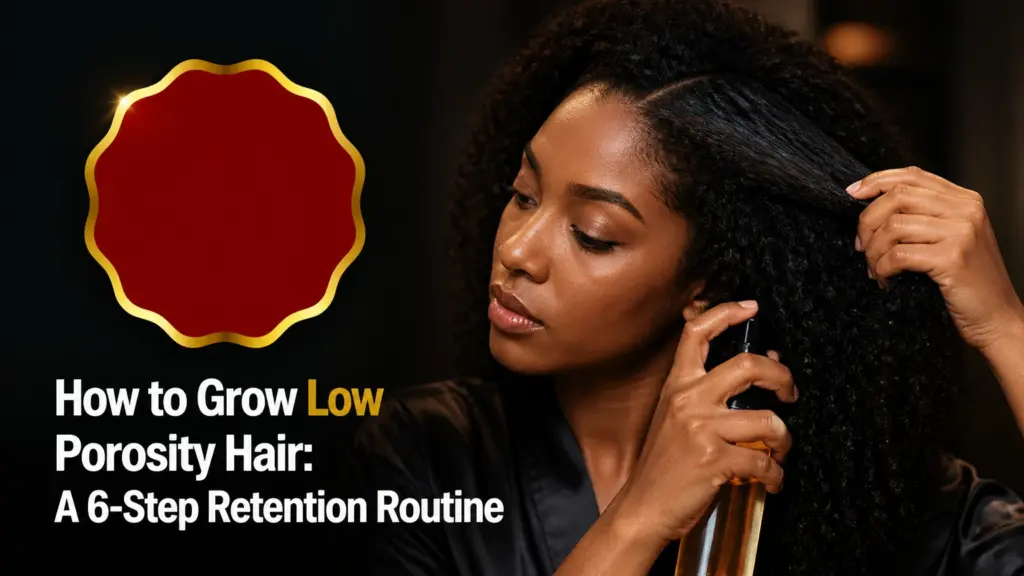
To grow low porosity hair visibly, protect the length produced by the follicles rather than trying to force the cuticle open. Use a clean scalp, water-based conditioning, moderate warmth, low-friction handling, and low-tension styling; most routines take 30-60 minutes weekly, while measurable retention usually requires 3-6 months. Key Facts at a Glance Low porosity hair […]